
![[HERO] Training for the Abyss: The Tragic Fate of Nero's Boys](https://cdn.marblism.com/9F9-z1bSspN.webp)
Rome, 62 AD. Emperor Nero solemnly opens the Gymnasium Neronis—a magnificent sports facility modeled after the Greek style. Marble columns, baths, training grounds. The official story? Physical fitness. Cultural enrichment. The introduction of noble Greek athletics into Roman society.
The true story? Significantly darker.
Because behind the facade of sport and education lay a system that didn’t train young bodies, but cataloged them. It didn’t strengthen them; it destroyed them.
The Greek Illusion
Nero loved everything Greek—the art, the culture, the competitions. Unlike traditional Roman games, which were about gladiators and blood, the Greeks celebrated naked athletics: wrestling, running, discus throwing. The unveiled human body as a work of art.
Sounds noble at first, right?
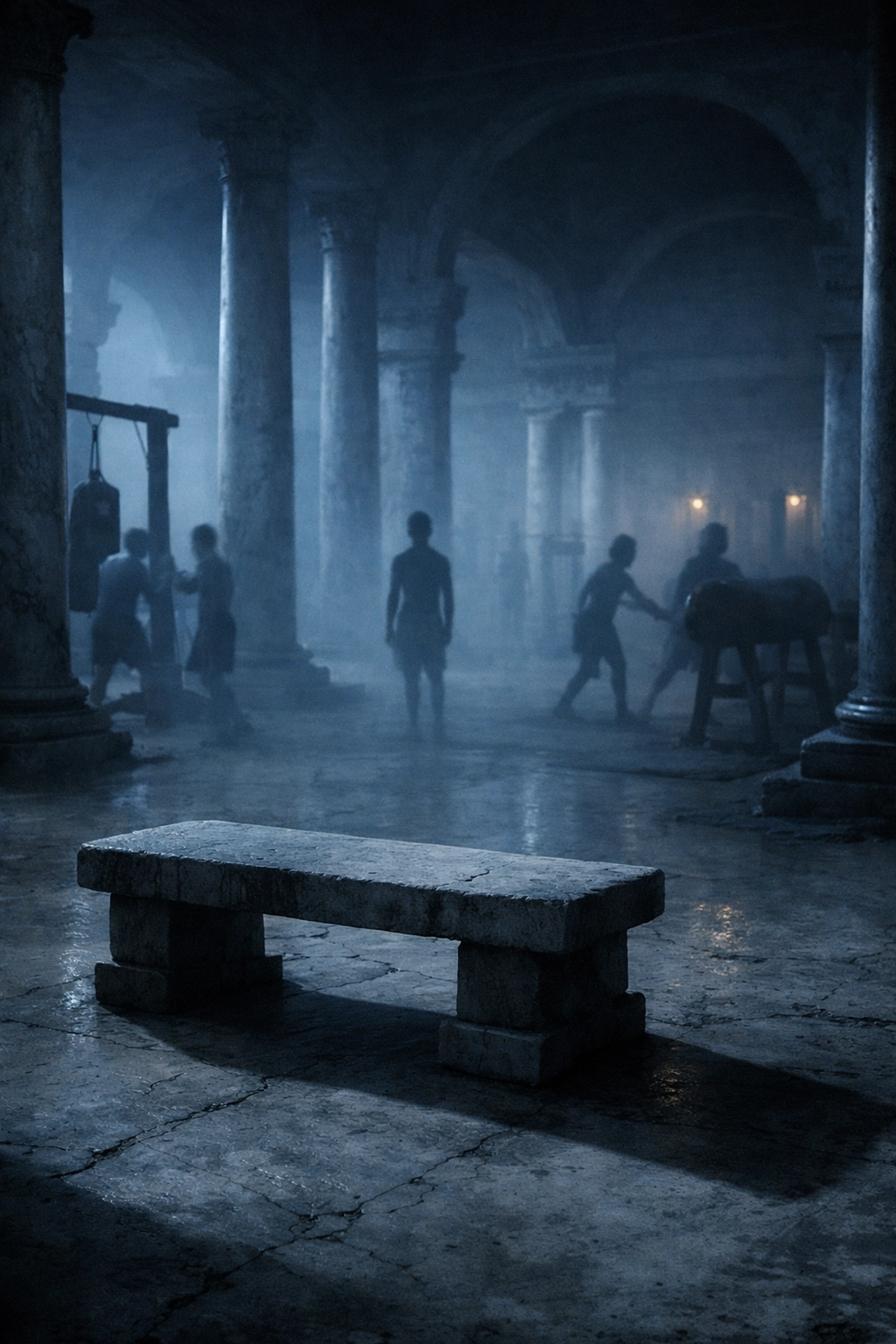
In Greece, this culture of nudity (Greek: gymnos = naked, hence Gymnasium) had a centuries-old tradition. Young men trained unclothed, and yes, erotic relationships between older mentors and young athletes were part of this culture—so-called pederasty.
But in Rome? Rome had different values. Here, public nudity was considered shameful, un-Roman. Anyone who undressed in public lost their status.
Nero didn’t give a damn. He wanted his gymnasium. And he got it.
Casting in Training Gear
The Gymnasium Neronis was never just a sports facility. It was a place of selection.
While officially young men from good families were supposed to train there, the system had a perfidious side effect: Nero and his elite could systematically inspect the bodies of young slaves and, in some cases, free-born boys under the pretext of sport.
Imagine: You are a boy, maybe twelve, maybe fourteen. Perhaps you are a slave, perhaps you even belong to a respected family. You train in the gymnasium. Naked. As Greek tradition demands.
And they are standing on the sidelines. The powerful. They observe. They evaluate. They discuss.
“That one there. The one with the narrow hips.”
“Too muscular. I prefer more delicate ones.”
“How old is the blonde one?”
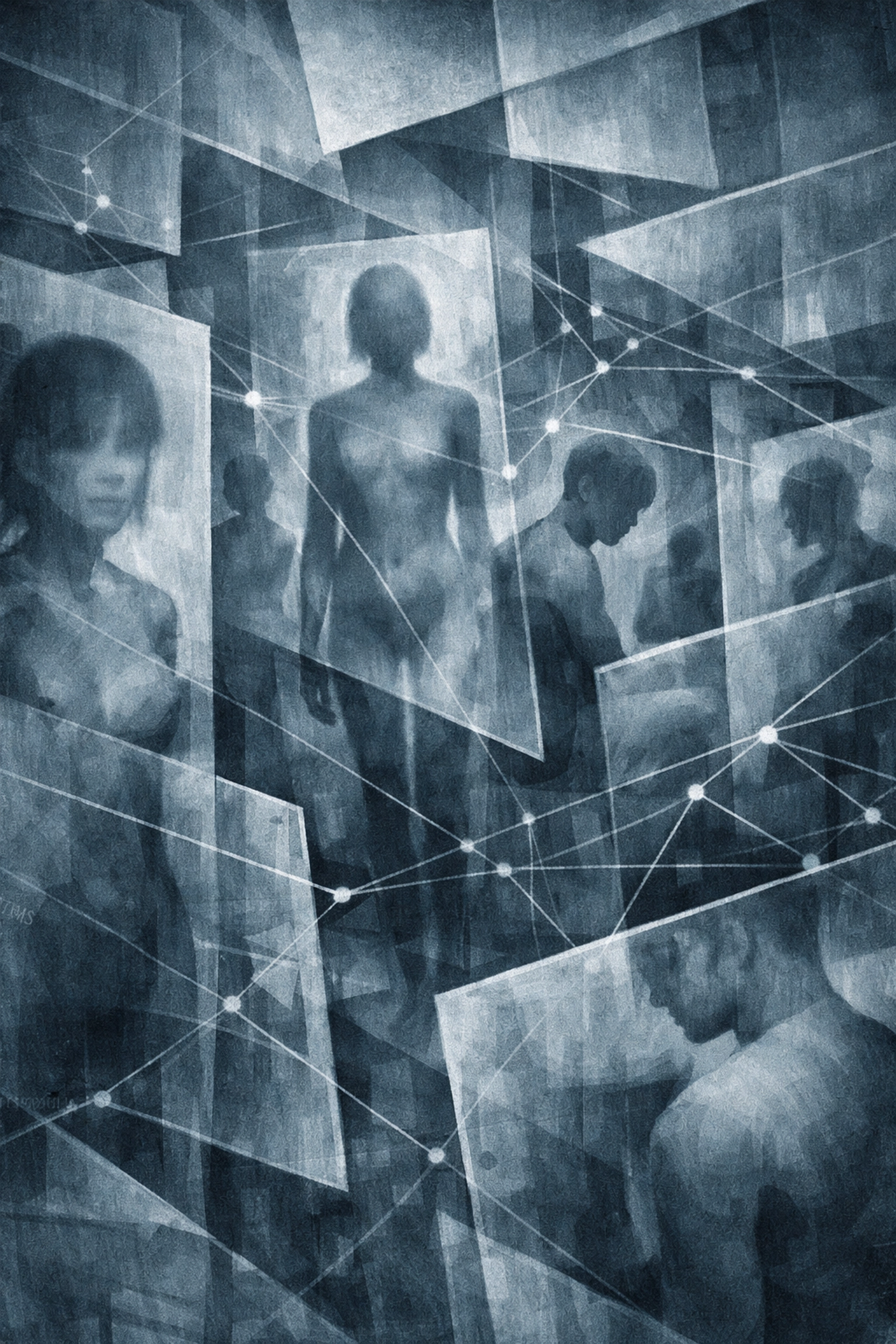
The gymnasium became the stage for a grotesque meat market. The so-called pueri delicati—the “delicate boys”—were identified and selected here. Not for athletic performance, but as objects of pleasure for the Roman elite.
The Supreme Referee
Nero himself played the role of the ultimate judge. He often presided over the competitions, ostensibly as an art lover and promoter of Greek culture.
In truth? He was picking out his prey.
The sources are clear: Nero had a preference for young, feminine boys. We know of Sporus—the boy he had castrated and married. But Sporus wasn’t the only one. There were many. Too many.
The gymnasium provided Nero with the perfect cover. No one could accuse him of molesting children—after all, he was just “culturally interested” and “promoting sport.” The nudity was “traditionally Greek.” The selection of the most beautiful athletes? Merely “aesthetic judgment.”
Bullshit.
Systematic Abuse Under the Guise of Culture
What happened here was the institutionalization of sexual abuse.
Unlike spontaneous assaults, Nero created a structure that normalized, legalized, and hid the abuse in plain sight. The gymnasium was the perfect crime scene:
- Legitimized nudity: No one could criticize the undressing—it was “sport.”
- Hierarchy and dependency: Slaves had no choice; free-born boys could not refuse without dishonoring their families.
- Cultural cover: Anyone who criticized the gymnasium was considered uncultured, an anti-Hellenist.
- Public yet invisible: The abuse happened virtually in public, but no one named it for what it was.

For the selected boys, a journey into hell began. They were plucked from the gymnasium—not because they were the best athletes, but because they were the most beautiful, the youngest, the most vulnerable.
What It Does to a Person
Imagine you are fourteen. Your body is changing. You don’t even fully understand who you are yet. And then someone tells you—or shows you through their actions—that your body does not belong to you.
That you are not a person, but an object.
Not a human being, but decoration.
The psychological destruction such a thing causes is hard to put into words. The pueri delicati lived in constant terror: they had to be beautiful, obedient, and available. They were made up, perfumed, dressed in silk—or undressed, if it pleased their masters.
Their value? Directly linked to their youth and beauty. As soon as they grew older, as soon as the first facial hair sprouted, as soon as their bodies became more masculine—they were worthless. Discarded. Replaced.
Some were simply demoted to normal slaves afterward. Others killed themselves. Most simply disappeared from the records of history.
They never had a chance.
The Modern View: Abuse of Power in Institutions
- Almost 2,000 years later. And yet: the mechanisms have remained the same.
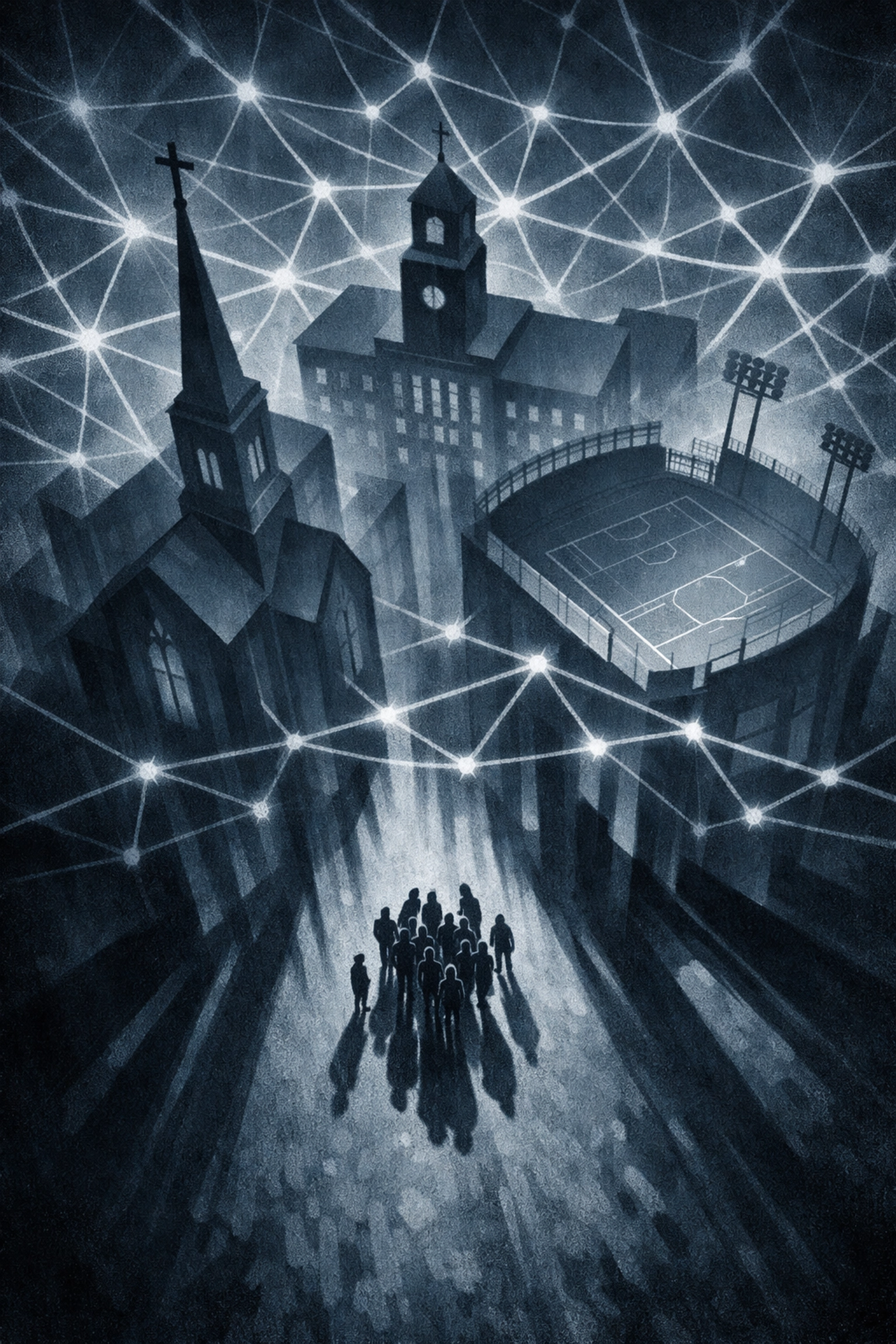
Churches. Sports clubs. Boarding schools. Film sets. Time and again, the same perverse structure: an institution with a good reputation (religion, sport, art, education) becomes a cover for systematic abuse. Authority figures use their power. The structures protect the perpetrators, not the victims.
The Gymnasium Neronis was perhaps one of the first documented examples of institutional abuse—but certainly not the last.
What can we learn from this?
First: Beautiful facades mean nothing. Institutions that adorn themselves with tradition, culture, or high values can be breeding grounds for crimes.
Second: Relationships of dependency are the problem. Slaves had no choice back then. But even today, children and young people often have no real choice when authority figures cross boundaries.
Third: Silence protects perpetrators. Roman society knew what was happening in the gymnasium. They looked away. How often do we still look away today?
Conclusion: History Repeats Itself
Nero’s gymnasium was closed after his death. But the system behind it? That survived. In a different form, under a different name, but with the same logic: Power corrupts. Power without control abuses.
The boys who were inspected, selected, and destroyed in the Gymnasium Neronis no longer have a voice. Their names are forgotten. Their stories untold.
That is why we tell them. Raw. Unvarnished. Direct.
Because only those who know the abysses of the past can recognize the abysses of the present.
Learn more about the dark sides of history and personal abysses on our YouTube channel @VerschlosseneTürenDGA. There, we talk about topics that others keep silent about.